
Perimenopause is the transition period before menopause when your body begins shifting hormone production, ultimately leading to the end of menstruation. If you’re wondering whether your age aligns with this change, you’re not alone. This phase typically begins between 44 and 48 years of age, though some women notice early symptoms in their late 30s or even earlier in their 30s. The timeline varies significantly because every woman’s hormonal journey is unique.
Understanding when perimenopause begins matters for your health decisions, symptom management, and peace of mind. You might be experiencing irregular periods, mood shifts, sleep disruptions, or hot flashes and questioning if these changes signal the start of perimenopause. The answer depends on your age, your body’s individual response, and where you are in the transition stages.
This article breaks down the specific age ranges when perimenopause typically starts, explains the progression through early and late stages, and gives you practical guidance for recognizing the signs. Whether you’re in your mid-30s and noticing subtle changes or in your late 40s experiencing more pronounced symptoms, you’ll learn what’s normal for your age and when to connect with healthcare support. We’ve gathered insights from medical experts and real experiences from women navigating this transition to help you understand exactly where you might be in this natural life stage.
What Perimenopause Means
Perimenopause is your body’s natural transition period before menopause, when reproductive hormones begin to shift and fertility gradually declines. This phase bridges the gap between your regular menstrual cycles and the complete end of menstruation, marking a significant change in your reproductive life.
During perimenopause, your ovaries produce less estrogen and progesterone, the hormones that regulate your menstrual cycle. This hormonal fluctuation can cause periods to become irregular, sometimes closer together, sometimes farther apart, and often unpredictable in flow and duration. These changes signal that your body is moving toward menopause, though you’re still menstruating and can still become pregnant during this time.
- Perimenopause
- The transitional phase when your body gradually shifts from regular menstruation toward menopause, characterized by hormonal changes and irregular periods.
- Menopause
- The point when you’ve gone 12 consecutive months without a menstrual period, marking the end of your reproductive years.
- Early Perimenopausal Stage
- The initial phase when you first notice subtle changes like cycle irregularity, though periods still occur fairly regularly.
- Late Perimenopausal Stage
- The advanced phase when periods become significantly irregular, with gaps of 60 days or more between cycles.
Menopause itself is officially diagnosed retrospectively, after you’ve experienced 12 full months without a period. Until that 12-month mark, you’re in perimenopause. This transition can last anywhere from several months to multiple years, depending on your individual biology. Understanding this distinction helps you recognize where you are in the journey and what changes to expect as your body moves through this natural life stage.
At What Age Does Perimenopause Typically Begin?

Most women begin perimenopause between the ages of 44 and 48. This timeframe represents the standard range, but individual experiences can differ significantly. Some women notice their first symptoms in their late 30s, while others may not experience changes until their early 50s.
The variation in timing reflects how differently bodies respond to the hormonal shifts that mark this transition. Genetics plays a substantial role. If your mother or sisters entered perimenopause early, you may follow a similar pattern. Lifestyle factors matter too. Women who smoke tend to experience perimenopause earlier than non-smokers, sometimes by one to two years.
Early onset perimenopause, beginning in the 30s, affects a smaller percentage of women but is far from rare. Medical conditions, surgical procedures affecting the ovaries, and certain treatments can trigger earlier changes. Some women simply have naturally shorter reproductive timelines without any identifiable cause.
Women in their 40s form the largest group experiencing perimenopausal symptoms. During this decade, the ovaries gradually produce less estrogen and progesterone, leading to irregular cycles and other physical changes. By the late 40s, many women are in the later stages of perimenopause, approaching menopause itself.
Understanding these age ranges helps you recognize what might be happening in your own body. If you’re experiencing symptoms that suggest perimenopause but fall outside the typical age range, that doesn’t mean something is wrong. It means your body follows its own schedule, and tracking those changes with your healthcare provider can help you manage this transition effectively.
The Stages of Perimenopause
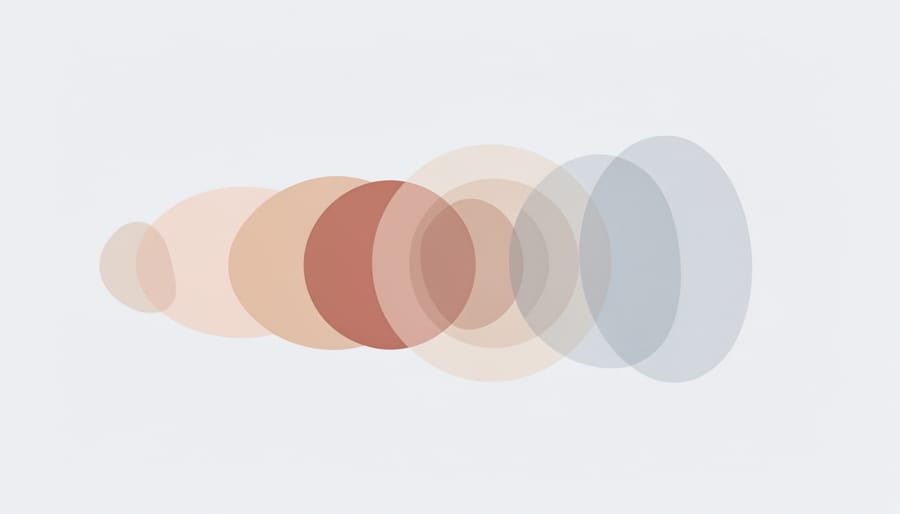
Perimenopause unfolds in two distinct stages, each bringing its own set of changes as your body gradually transitions toward menopause. Understanding these phases helps you recognize where you are in the journey and what to expect as you move forward.
Early perimenopause marks the beginning of hormonal shifts, though your cycles may still appear relatively regular. During this phase, which can start anywhere from your late 30s through your mid-40s, you might notice subtle changes like cycles that are slightly shorter or longer than usual. Your estrogen levels begin fluctuating, sometimes spiking higher than normal before dropping, which can trigger symptoms even while menstruation continues fairly predictably. Many women experience their first hot flashes, sleep disturbances, or mood changes during this stage, though these symptoms often come and go rather than persisting constantly.
Late perimenopause brings more pronounced changes as menopause approaches. Your cycles become noticeably irregular, with periods that may be separated by 60 days or more. Hormone levels decline more significantly and fluctuate more dramatically, intensifying symptoms for many women. This stage typically occurs in your mid-to-late 40s and continues until you reach menopause itself.
The key differences between these stages include:
- Early perimenopause: cycles remain mostly regular with variations of less than seven days; symptoms are often mild and intermittent
- Late perimenopause: gaps of 60 days or more between periods; symptoms typically become more frequent and intense
- Hormonal patterns: early stage features fluctuating estrogen with occasional spikes; late stage shows consistent decline with wider swings
- Duration: early perimenopause may last several years; late stage typically continues for one to three years before menopause
The complete journey through both stages can span anywhere from several months to over a decade, with four to eight years being common. Every woman’s timeline is unique, influenced by genetics, lifestyle, and individual health factors.
How Perimenopause Progresses
Perimenopause doesn’t follow a predictable script. Your body’s transition unfolds through a gradual hormonal shift that can span anywhere from a few months to ten years, with most women experiencing it for four to eight years.
The driving force behind this progression is your ovaries’ declining function. As you move through your late 30s and 40s, your ovaries produce less estrogen and progesterone. This doesn’t happen steadily. Instead, hormone levels fluctuate wildly, sometimes swinging higher than normal before dropping again. These erratic patterns explain why symptoms can feel unpredictable, appearing and disappearing without warning.
In the early stage, you’ll likely notice subtle changes. Your menstrual cycle might shorten or lengthen by a week or more, and some periods may feel heavier or lighter than usual. Estrogen levels are still relatively high but inconsistent, causing that characteristic irregularity. You’re still ovulating during many cycles, though not all.
As perimenopause advances into the late stage, the gaps between periods widen. You might skip one or two cycles entirely, then have a period return. Estrogen production decreases more significantly now, and ovulation becomes rare. This is typically when symptoms intensify for many women.
What pushes you from one stage to the next is the continuing decline in your ovarian reserve, the number of viable eggs remaining. As this reserve depletes, your body produces less of the hormones that regulate your cycle. Eventually, when you’ve gone 12 consecutive months without a period, you’ve reached menopause and the perimenopausal transition is complete.
The timeline varies dramatically between women. Some sail through in under a year, while others navigate this transition for a decade. Factors like genetics, overall health, and lifestyle all influence how quickly your body progresses through these stages.
Recognizing the Signs You’re Entering Perimenopause
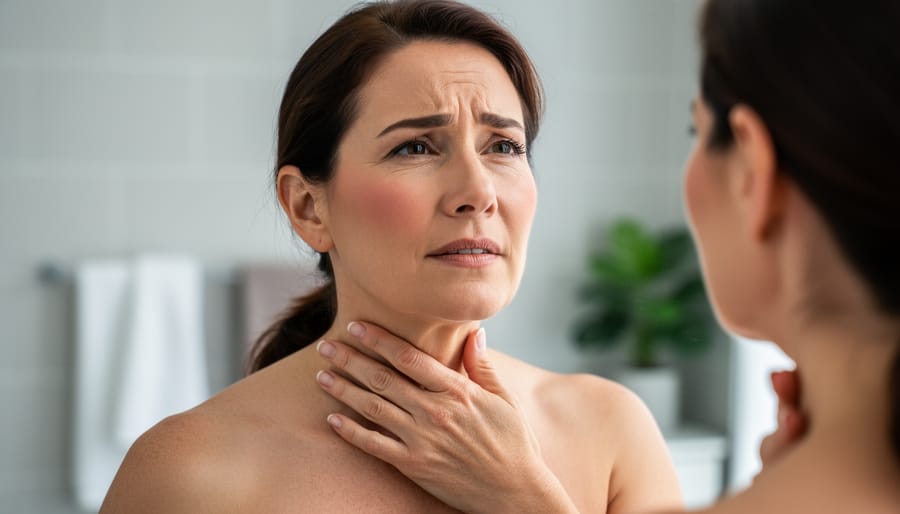
Your body often gives you clues that hormonal changes are underway, and learning to recognize these signals helps you understand what’s happening at any age. While experiences vary widely, certain patterns emerge that can indicate you’re entering this transitional phase.
The earliest signs often appear subtly. Your menstrual cycle might become irregular, periods arriving closer together or further apart than usual, heavier or lighter than you’re accustomed to. You might notice changes in how you feel week to week, with mood shifts or energy fluctuations that don’t match your previous patterns. Some women experience these initial changes years before more obvious symptoms develop.
- Irregular periods or changes in menstrual flow and timing
- Hot flashes or sudden warmth spreading through your body
- Night sweats that disrupt sleep during perimenopause
- Mood changes, including irritability or unexplained sadness
- Difficulty concentrating or occasional memory lapses
- Changes in libido or vaginal dryness
- Increased anxiety or need for natural stress relief
Physical changes can be equally telling. Hot flashes, that sudden sensation of intense warmth, rank among the most recognized perimenopausal symptoms. They might occur during the day or wake you at night drenched in sweat. Some women notice hair thinning or changes in texture, and concerns about sweating and hair loss often arise during this time.
Trust your instincts about your own body. If you’re in your late 30s, 40s, or early 50s and experiencing several of these changes, perimenopause is a likely explanation. Tracking your symptoms in a journal or app can reveal patterns that help you and your healthcare provider understand what’s happening. Remember, recognizing these signs isn’t about labeling yourself, it’s about gaining knowledge that empowers you to seek support and make informed decisions about your health.
Expert Perspectives on Perimenopause Timing

Healthcare professionals emphasize that perimenopause timing is highly individual, shaped by a constellation of factors unique to each woman. “There’s no one-size-fits-all age,” explains Dr. Rachel Morgan, an endocrinologist specializing in women’s health. “While we see the typical range of 44 to 48 years, I’ve treated patients who began experiencing symptoms in their late thirties and others who didn’t notice changes until their early fifties.”
Several factors influence when this transition begins. Genetics plays a significant role: women often follow patterns similar to their mothers and sisters. Smoking accelerates the process, bringing perimenopause forward by one to two years on average. Medical history matters too. Women who’ve undergone certain cancer treatments, had their ovaries removed, or have autoimmune conditions may experience earlier onset.
Lifestyle factors contribute as well. Chronic stress, poor nutrition, and lack of sleep can affect hormonal balance, though these typically influence symptom severity more than timing. Body weight also plays a part, with very low body mass index sometimes associated with earlier transition.
“What concerns me is when women dismiss their symptoms because they think they’re ‘too young’ for perimenopause,” notes Dr. Sarah Chen, an OB-GYN. “Understanding your personal risk factors and family history helps you recognize what’s happening in your body, regardless of whether you’re 38 or 48.”
This personalized approach matters because early recognition allows women to make informed decisions about symptom management and long-term health planning.
Types of Perimenopause Age
Women don’t all enter perimenopause at the same age, and healthcare professionals recognize distinct timing patterns that help frame what’s typical, early, or unusually late. Understanding these categories can reassure you that your experience falls within a normal range, even if it differs from friends or family members.
Standard-onset perimenopause affects the majority of women, beginning between ages 44 and 48. This is the most common pattern, aligning with natural hormonal shifts that occur in the mid-to-late forties.
Early-onset perimenopause describes the transition starting in the late 30s or early 40s. While less common than standard onset, this isn’t abnormal. Some women in their 30s notice the first signs, and recognizing this earlier pattern helps distinguish it from other health issues.
Late-onset perimenopause begins after age 50. Women who experience regular cycles well into their fifties eventually transition through perimenopause, though their window may be shorter before reaching menopause.
These categories aren’t rigid diagnoses but frameworks that help you and your healthcare provider contextualize your symptoms and timeline. Your individual pattern depends on genetics, overall health, and factors unique to your body.
How Perimenopause Age Is Used
Understanding perimenopause age helps women make informed decisions across multiple areas of their health and life planning. This knowledge serves several practical purposes that extend beyond simple awareness.
Healthcare providers use age and symptom patterns to assess whether hormonal changes are behind unexplained health shifts. When a woman in her mid-40s reports irregular periods or mood changes, knowing she’s in the typical perimenopause window helps doctors distinguish menopausal transition from other conditions requiring different treatment. This context shapes screening recommendations, preventive care strategies, and conversations about hormone therapy timing.
Women themselves apply this information to career and family planning decisions. Someone in her late 30s experiencing early symptoms might adjust fertility timelines or reconsider birth control needs with her doctor. Those approaching their mid-40s can prepare mentally and practically for potential changes rather than being caught off guard.
The age framework also validates women’s experiences within their social circles and workplaces. Recognizing that perimenopause commonly begins between 44 and 48 years empowers women to seek support, request workplace accommodations if needed, and connect with others navigating similar transitions. This shared understanding reduces isolation and normalizes conversations that were once considered taboo.
Common Questions About Perimenopause Age
Understanding perimenopause timing raises numerous questions for women navigating this transition. Many wonder about the basic differences between perimenopause and menopause, when to expect changes, and how to recognize the signs in their own bodies.
What’s the difference between perimenopause and menopause?
Perimenopause is the transition period leading up to menopause, characterized by fluctuating hormones and changing menstrual patterns. Menopause itself is diagnosed after 12 consecutive months without a period, marking the end of reproductive years.
At what age does menopause typically start?
While perimenopause typically begins between 44 and 48 years of age, the actual onset of menopause varies widely among women. Some experience it in their late 40s, while others may not reach menopause until their mid-50s.
How do I know if I’m entering perimenopause?
Watch for signs like irregular periods, hot flashes, sleep disruptions, and mood changes. Women in their late 30s, 40s, or 50s experiencing these symptoms should discuss them with their healthcare provider for personalized guidance.
Can perimenopause start in your 30s?
Yes, some women experience perimenopausal symptoms as early as their 30s, particularly in their late 30s. While less common than onset in the mid-40s, early perimenopause is a recognized possibility that warrants medical attention.
Women seeking support during this transition may explore natural remedies, including dong quai for women which has been traditionally used for hormonal balance. Additionally, hormonal changes during perimenopause can affect hair health, leading some women to seek receding hairline tips as they navigate physical changes.
The perimenopause journey differs for each woman, spanning anywhere from several months to multiple years. Rather than waiting for a specific age marker, paying attention to your body’s signals and maintaining open communication with your healthcare provider helps you understand where you are in this natural transition.
Understanding when perimenopause might begin is just one piece of your health journey. While the typical age range falls between 44 and 48 years, your experience is uniquely yours. Some women notice changes in their late 30s, others not until their 50s, and that’s completely normal.
What matters most isn’t matching a textbook timeline but recognizing your body’s signals and feeling confident seeking support when you need it. Whether you’re experiencing symptoms early or wondering if what you’re feeling is perimenopause, you deserve clear answers and compassionate care.
Stay curious about your changing body, connect with other women navigating this transition, and don’t hesitate to speak with healthcare professionals who understand the complexities of this phase. You’re not alone in this journey. Countless women are moving through perimenopause right alongside you, sharing experiences, finding solutions, and discovering strength in community.
Your awareness and willingness to learn about perimenopause puts you in control of your health story. Trust yourself, advocate for your wellbeing, and remember that this transition, while sometimes challenging, is a natural part of life that you’re fully equipped to navigate.