
A healthy bedtime routine for teens centers on creating a consistent wind-down sequence that starts 60 to 90 minutes before sleep, combining screen-free activities, dim lighting, and a fixed sleep schedule. The approach works because the teenage brain operates on a naturally delayed circadian rhythm, making structure and environmental cues essential for quality rest.
Building better sleep habits now doesn’t just improve focus and mood tomorrow. It establishes patterns that carry into adulthood, much like the broader women’s sleep habits we discuss across our health guides. The difference? Teen bodies need more sleep than adults and face unique obstacles, from late-night homework and social pressures to the biological shift that makes falling asleep before 11 p.m. genuinely difficult.
The good news is that small, strategic changes make a real difference. You don’t need expensive tools or a complete lifestyle overhaul. What you do need is a willingness to experiment, adjust your environment, and stick with new habits long enough for them to feel natural. This guide walks you through exactly what to prepare, which pitfalls to avoid, and how to build a routine that actually fits your life.
What You’ll Need to Get Started
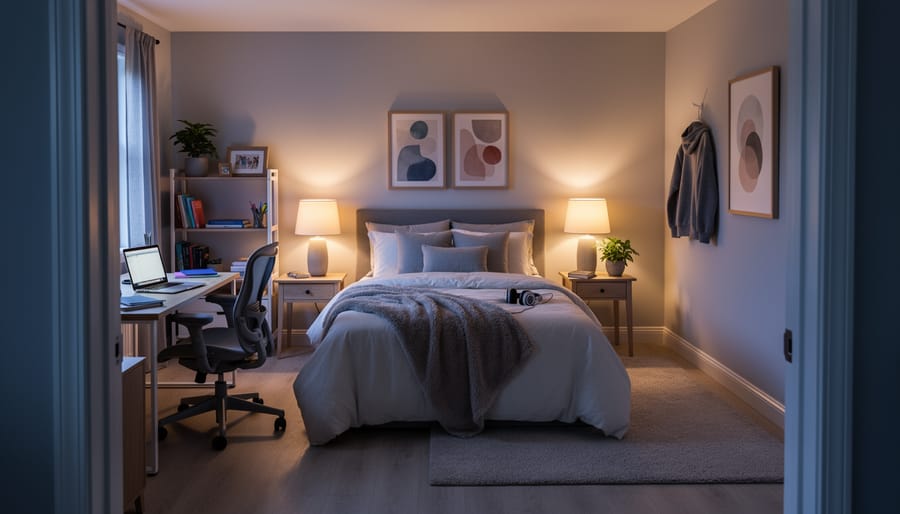
Good news: you don’t need to buy anything fancy to build a sleep routine that works. Most teens already have what they need at home, and the few items worth adding are simple and inexpensive. The real focus here is setting up your space and gathering a few basics that make winding down easier.
Start with what you wear to bed. Comfortable sleepwear matters more than you might think. Choose loose-fitting clothes in breathable fabrics like cotton that won’t bunch up or make you overheat during the night. Skip anything too tight, scratchy, or restrictive.
Your bedroom setup comes next. Think about three key factors: light, temperature, and noise. Heavy curtains or blackout shades help block outside light, especially if streetlights shine into your room. A small fan can keep air moving and create gentle background noise that masks disruptive sounds. If you share a room or live in a noisy house, inexpensive foam earplugs work surprisingly well.
Here’s what you’ll actually need:
- Comfortable, breathable sleepwear
- Blackout curtains or an eye mask for blocking light
- A reliable alarm clock (not your phone on the nightstand)
- A notebook or planner for tracking your routine
- Optional: white noise app, foam earplugs, or small fan
- Optional: lavender pillow spray or essential oil diffuser
The alarm clock deserves special mention. Keep your phone across the room, not within arm’s reach. A basic battery-powered alarm clock costs less than takeout and removes the temptation to scroll before bed or hit snooze endlessly.
A simple notebook lets you track what’s working and jot down tomorrow’s tasks before bed, clearing your mind instead of lying awake thinking about everything you need to remember. Nothing fancy required, just paper and pen.
Before You Begin: Important Considerations
Before you jump into a new routine, understand that sleep needs aren’t one-size-fits-all. While most teens do better with consistent schedules, your body might take a week or two to adjust to any major changes. If you share a bedroom, you’ll need to have an honest conversation with your roommate or sibling about respecting each other’s sleep times, compromise works better than demanding everyone follow your exact schedule.
Be realistic about your non-negotiable commitments. Late sports practices, evening work shifts, or demanding homework loads mean you can’t always hit an ideal bedtime. That’s okay. The goal is building a routine that works within your actual life, not creating a perfect plan you’ll abandon after three days because it clashes with reality. If your school starts at 7:30 a.m. and you have rehearsal until 9 p.m. on Thursdays, your routine needs flexibility built in rather than rigid rules that set you up for failure.
Step-by-Step: Creating Your Bedtime Routine
Step 1: Set Your Target Bedtime and Wake Time
Start by figuring out when you absolutely must wake up on school days. That time isn’t negotiable, so work backward from there. If you need to be up at 6:30 a.m., count back eight to ten hours to find your target bedtime window, somewhere between 8:30 and 10:30 p.m.
Most teens need around nine hours of sleep, but your personal sweet spot might be eight and a half or closer to ten. Pay attention to how you actually feel after different amounts of sleep rather than forcing yourself into a number that doesn’t fit.
Here’s the tricky part: weekends matter too. Sleeping until noon on Saturday might feel great, but it makes Monday morning brutal. Try to keep your wake time within an hour of your school schedule, even on days off. Yes, this means less dramatic sleep-ins, but it prevents that jet-lag feeling every week.
If your current bedtime is midnight and you’re aiming for 10 p.m., don’t jump straight there. Shift it back by fifteen to thirty minutes every few days. Gradual changes stick better than sudden overhauls. Focus on consistent sleep duration and timing, which helps your body settle into a predictable rhythm.
Step 2: Create a Wind-Down Window (60-90 Minutes Before Bed)
Think of this hour or so before bed as your transition zone, a bridge between the busy energy of your day and the calm your body needs for sleep. Instead of going from full-speed studying or scrolling directly into bed, you’re creating space for your mind and body to downshift naturally.
Start by dimming the lights in your room around this time. Bright overhead lights keep you alert, so switch to softer lamps or warm-toned bulbs that signal evening. This is also when you’ll want to wrap up anything stimulating: finish homework, end intense conversations, stop exercising. Your brain needs time to settle.
The screen separation is probably the hardest part, but it makes a real difference. Phones, laptops, and TVs keep your mind engaged and make it harder to wind down. Aim to put devices aside during this window, charge your phone across the room if that helps. If you absolutely need your phone, switch to night mode and stick to calming content only.
Fill this time with genuinely relaxing activities instead. Take a warm shower, do your skincare routine, read something enjoyable (not a textbook), listen to chill music, or write in a journal. The key is low-key and calming, not mentally demanding. You’re training your brain to recognize this window as pre-sleep time, and consistency makes it work.

Step 3: Design Your Personal Relaxation Sequence
Your wind-down window is ready, now fill it with activities that genuinely calm you rather than force what works for someone else. Pick three to five things that feel relaxing, not like another task on your list.
A skin-focused bedtime routine is an easy starting point: cleansing, moisturizing, and maybe a face mask turn self-care into a ritual that signals your body it’s time to slow down. Gentle stretching releases physical tension you’ve carried all day. Reading something low-stakes, not your homework, gives your mind somewhere to wander besides tomorrow’s stress.
Journaling works if you’re a processor: dump worries onto the page so they don’t circle in your head at 2 a.m. Try apps for guided meditation or breathing exercises if sitting still feels impossible at first. Curate a playlist of truly calming music, not just your usual favorites. Some teens find natural stress relievers like herbal tea or aromatherapy helpful additions.
Experiment for a week or two before deciding what stays. Your sequence will probably shift as you figure out what actually quiets your brain versus what just sounds good in theory.

Step 4: Prepare Your Sleep Environment
Your bedroom should become a sleep sanctuary in the final minutes before bed. Start with temperature: cooler rooms generally promote better sleep, so crack a window if possible or adjust your thermostat. If you share a room, negotiate a temperature both of you can tolerate, or layer blankets individually.
Lay out tomorrow’s outfit and pack your bag tonight. This removes morning decision-making stress and the temptation to stay up planning. Keep a water bottle within reach, waking up thirsty disrupts sleep, but you don’t want to stumble to the kitchen in the dark.
For shared rooms, compromise matters. Use a sleep mask if your roommate reads late. Try earplugs or a white noise app if they snore or move around. Establish quiet hours where both of you commit to minimal noise and light.
Even in less-than-ideal situations, small changes help. Can’t control the thermostat? A fan provides both cooling and white noise. Bright streetlights? Blackout curtains or even a dark bedsheet thumbtacked over the window works. The goal isn’t perfection, it’s creating the best environment your current situation allows.
Step 5: Establish Morning Anchors
Your morning routine isn’t just about getting out of bed, it’s the bookend that keeps your entire sleep schedule on track. When you wake at the same time each day (yes, even weekends), you’re training your body’s internal clock to expect sleep at consistent times. That 8 a.m. wake-up reinforces the 11 p.m. bedtime you set last night.
Getting morning light improves sleep by signaling to your brain that it’s time to be alert. Within 30 minutes of waking, expose yourself to natural daylight, open your curtains, step outside, or sit by a window while you eat breakfast. If you’re waking before sunrise in winter, turn on bright overhead lights.
Resist the snooze button. Those fragmented extra minutes don’t provide restorative rest and actually make you groggier. Place your alarm across the room so you have to physically get up to turn it off, then immediately open the blinds or splash water on your face to kickstart alertness.
How to Know If Your Routine Is Working
Give your new routine at least two weeks before judging whether it’s working. The first few nights might feel awkward or frustrating as your body adjusts to different habits, and that’s completely normal. Real change happens gradually, not overnight.
The clearest sign your routine is effective? You’ll notice it in your daily life first. You might find yourself more focused during afternoon classes, less irritable with friends or family, or having an easier time handling stressful situations. Your skin may look clearer, and you’ll probably stop reaching for energy drinks by midday. These daytime shifts often appear before you consciously notice changes to your actual sleep.
Other positive indicators include falling asleep within a reasonable window after getting into bed, waking up within a few minutes of your alarm without hitting snooze repeatedly, and feeling alert enough to function in your morning routine. You’re not aiming for perfection, some nights will always be harder than others, especially around exam periods or emotionally intense days.
If after three weeks you’re still struggling to fall asleep or you’re waking up exhausted despite following your routine consistently, something needs adjusting. Maybe your wind-down window is too short, your bedroom is too warm, or your target bedtime doesn’t match your natural sleep tendencies. Treat troubleshooting as experimentation: change one element at a time and give each adjustment a week before moving on.
Don’t track your progress obsessively or rate every night. Instead, check in weekly by asking yourself: Am I generally feeling better? Is this becoming easier? That’s the measure that matters.
Common Obstacles and How to Handle Them
Even the best bedtime routine hits obstacles. Here’s how to handle them without abandoning your sleep goals entirely.
Homework pileups happen to everyone. Instead of staying up until midnight to finish everything perfectly, set a hard stop time an hour before bed. What doesn’t get done can be tackled early the next morning, when your brain actually works better anyway. Talk to teachers if workload consistently prevents reasonable sleep, and consider whether you’re procrastinating during afternoon hours when you could be more productive.
Social pressure and FOMO feel real because they are real. You don’t have to skip every late-night hangout, but you also don’t need to attend all of them. Be selective about which social events matter most, and suggest earlier meetup times when possible. Your friends dealing with the same sleep struggles will likely appreciate the option.
Evening activities like sports practice, part-time work, or rehearsals sometimes end at 9 p.m. or later. Shorten your wind-down routine on these nights rather than skipping it entirely. A quick version might be a five-minute shower, simple skincare, and ten minutes of reading. Something is better than scrolling until you crash. The same goes for your DIY hair routine which can be streamlined on busy nights.
Device temptation is hardest for most teens. Charge your phone across the room instead of on your nightstand. If you need it for your alarm, use airplane mode or sleep focus settings to block notifications. Replace doomscrolling with one specific calming activity you genuinely enjoy.
Family dynamics matter too. If your household is loud or chaotic at night, communicate your sleep needs clearly and work together on reasonable compromises.
Questions Teen Girls Often Ask About Bedtime Routines
Teens navigating bedtime routines face unique challenges that often don’t come up in generic sleep advice. Here are answers to questions we hear most often from young women working to improve their sleep habits.
Will a better bedtime routine actually help my skin?
Yes, consistent sleep supports your skin’s natural repair processes. When you establish a regular routine that includes removing makeup, cleansing, and applying nighttime skincare before bed, you’re giving your skin the chance to regenerate overnight without interruption.
How do I stick to my routine during my period when I can’t sleep well?
Keep the routine framework even if the timing shifts slightly. The familiar sequence of activities can actually help ease discomfort and signal your body toward rest, even when hormonal changes make falling asleep harder.
What if my friends think I’m boring for going to bed early?
Real friends respect your choices about your health. You can suggest earlier hangouts or explain you’re working on feeling better during the day, most people understand prioritizing yourself.
Do I have to start over completely if I mess up on vacation or during exams?
Not at all. Just return to your core routine the next available night. One disrupted week doesn’t erase progress, what matters is the overall pattern you build over time.
The reality is that teen schedules are complicated and constantly changing. You’re balancing school demands, activities, social connections, and family obligations that adults sometimes forget about when giving sleep advice. Your bedtime routine doesn’t need to be perfect every single night to be effective. What works is finding a flexible framework you can adapt when life gets chaotic, keeping the essential elements like winding down away from screens and preparing your sleep space, even if the exact timing varies. Progress looks different for everyone, and building these habits now means you’re developing skills that’ll serve you long after high school.
The bedtime routine you build right now isn’t just about getting through high school. The sleep habits you establish during your teen years create patterns that shape your overall health well into adulthood. Starting tonight doesn’t require a perfect overhaul of everything you’re currently doing. Pick one simple change from this guide and make it consistent. Maybe it’s setting your phone down thirty minutes earlier, or maybe it’s just going to bed at the same time for three nights in a row.
Your sleep health is something you can control, even when everything else feels chaotic. Small, sustainable steps beat ambitious plans that fall apart by the weekend. You’re building a foundation that will serve you for decades to come.
What’s worked for your bedtime routine? Share your tips in the comments below and help other readers find what works for them.