Radical cosmetics represents two powerful forces reshaping beauty in 2026: Radical Cosmetics, a premier U.S.-based contract manufacturer that’s been transforming color cosmetics and skincare since 2003, and the broader private label revolution that’s democratizing who gets to create beauty products. If you’ve ever wondered how indie brands launch polished makeup lines seemingly overnight or how personalized beauty became accessible to smaller companies, the answer lies in sophisticated OEM/ODM manufacturers like Radical Cosmetics that offer full-service development, manufacturing, and packaging solutions.
The private label cosmetics market tells a compelling story about where beauty is headed. Currently valued at roughly $65 billion, this sector is projected to reach $90 billion by 2033, growing at 6.1% annually. That growth isn’t just about numbers. It reflects a fundamental shift toward sustainable packaging, personalized beauty experiences, and brands that can move quickly without building factories from scratch.
What makes this particularly exciting for beauty enthusiasts is that the manufacturing expertise once reserved for major corporations is now available to entrepreneurs, wellness advocates, and communities who understand their specific needs better than any legacy brand. Radical Cosmetics, alongside its sister company Lotus Cosmetics, exemplifies how contract manufacturers empower this new generation of beauty innovators. Whether you’re curious about launching your own line or simply want to understand the products filling your makeup bag, knowing how modern cosmetics manufacturing works gives you smarter purchasing power and a clearer view of beauty’s increasingly transparent future.
What Private Label Cosmetics Really Means
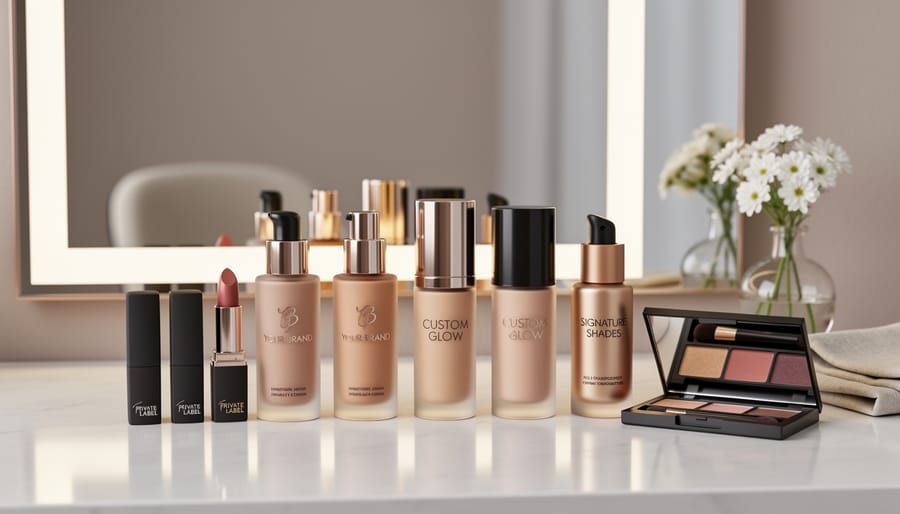
Private label cosmetics flip the traditional beauty business model on its head. Instead of major brands operating their own manufacturing facilities, they partner with specialized manufacturers who create products to the brand’s specifications. The brand controls the formulation, packaging, and marketing while the manufacturer handles production.
This is where companies like Radical Cosmetics come in. As a full-service OEM/ODM contract manufacturer operating since 2003, they’ve built expertise in translating a brand’s vision into finished products that meet rigorous quality standards. Rather than every beauty brand needing to invest millions in manufacturing infrastructure, they can tap into established facilities with proven track records.
The terminology can sound technical, but the concepts are straightforward:
- OEM (Original Equipment Manufacturer)
- A manufacturer that produces products designed by another company, following their exact specifications and formulations.
- ODM (Original Design Manufacturer)
- A manufacturer that offers their own pre-developed formulations and designs that brands can customize and sell under their own label.
- Contract Manufacturing
- The arrangement where a specialized facility produces goods for another company, handling everything from formulation to packaging.
- Private Label
- Products manufactured by one company but sold under another company’s brand name, allowing brands to offer diverse product lines without owning factories.
This model creates flexibility that traditional manufacturing can’t match. A startup brand can launch with the same production quality as established names, while established brands can rapidly expand their product ranges without building new facilities. The manufacturer brings specialized knowledge in formulation science, regulatory compliance, and production efficiency that would take years for individual brands to develop.
For Radical Cosmetics and similar manufacturers, this means being true partners in product development rather than just production facilities. They’re problem-solvers who turn beauty concepts into shelf-ready reality.
The Explosive Growth Behind This Beauty Revolution
The numbers tell a compelling story of transformation. The private label cosmetics market stood at roughly $65 billion in recent years and is on track to reach $90 billion by 2033. That 6.1% compound annual growth rate isn’t just a statistic, it represents a fundamental shift in how beauty products reach your bathroom shelf.
What’s fueling this expansion? Three interlocking forces that all point toward smarter, more intentional beauty purchasing.
First, quality has caught up. The old assumption that private label meant compromise simply doesn’t hold anymore. Manufacturers like Radical Cosmetics have spent two decades perfecting formulations and production standards that rival, and often exceed, what celebrity-fronted brands offer. You’re getting the same high-grade ingredients and rigorous testing, minus the marketing markup.
Second, sustainability moved from buzzword to requirement. Today’s beauty shopper wants packaging that doesn’t outlive the product by 500 years. The consumer-driven private label boom reflects this: people actively seek out brands that partner with manufacturers offering innovative eco-solutions, from refillable compacts to biodegradable materials.
Third, personalization became possible at scale. The private label model’s flexibility means smaller brands can launch targeted products for specific skin tones, concerns, or values without the massive infrastructure traditional beauty companies require. You see this in the explosion of indie brands addressing gaps the big players ignored for decades.
This growth isn’t happening in a vacuum. It’s a response to you, the informed consumer who reads ingredient lists, researches manufacturing practices, and refuses to pay for a name when the product inside doesn’t deliver. The market’s expansion to $90 billion by 2033 reflects an industry finally catching up to what beauty customers have been demanding all along: transparency, quality, and products made with both people and planet in mind.
How Radical Cosmetics Pioneered Quality Manufacturing Since 2003
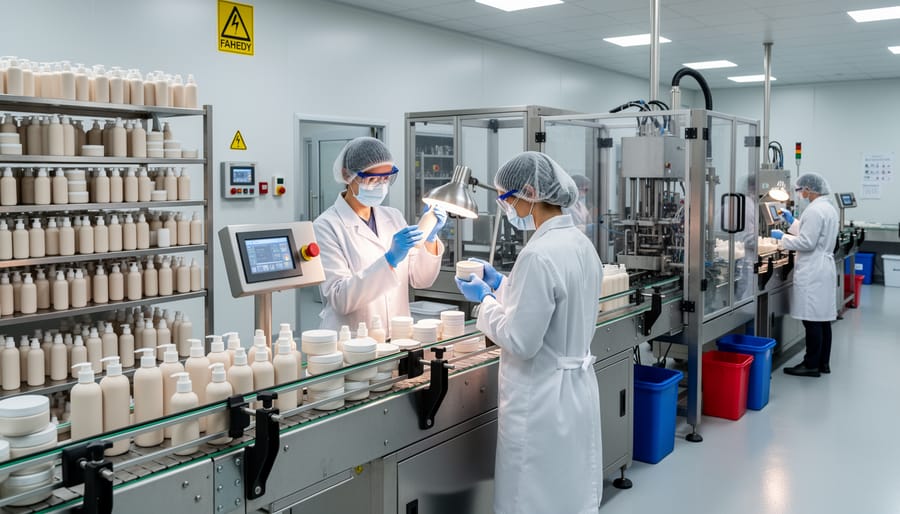
When your lipstick glides on smoothly or your foundation blends seamlessly, there’s often an unseen partner behind that experience. Radical Cosmetics has spent over two decades perfecting the art and science of beauty manufacturing, establishing itself as a cornerstone of the private label revolution since 2003.
Based in the USA, Radical Cosmetics operates as a full-service OEM/ODM contract manufacturer, which means they handle everything from initial product concept and formulation development through to final packaging. This comprehensive approach allows beauty brands to bring professional-grade products to market without building their own manufacturing infrastructure. Their specialization spans color cosmetics and skincare, two categories that demand precise formulation expertise and rigorous quality standards.
What distinguishes manufacturers with this kind of longevity is their accumulated knowledge of ingredient interactions, stability testing, and regulatory compliance. While newer entrants may promise quick turnarounds, established players like Radical Cosmetics have weathered formula reformulations, ingredient shortages, and evolving safety regulations. They’ve built quality control systems over years, not months.
The company operates alongside sister companies Lotus Cosmetics and Lotus Bio-Mineral in the United States, creating a network of specialized expertise. This family of manufacturers can tackle diverse product categories while maintaining consistent quality standards across different beauty segments.
For brands partnering with such manufacturers, the value extends beyond production capacity. It’s access to formulation libraries, packaging relationships, and troubleshooting experience that only comes from producing thousands of batches. That institutional knowledge directly impacts the products you use daily, ensuring they perform consistently from first application to last.
The Two Trends Transforming Beauty Products Right Now
Sustainable Packaging That Actually Works
The beauty industry generates over 120 billion units of packaging annually, most destined for landfills. Manufacturers are finally addressing this with solutions that work in your daily routine, not just in marketing campaigns.
Refillable compacts have moved beyond luxury novelties. Contract manufacturers now design magnetic systems where you swap out pans while keeping the outer case indefinitely. This cuts packaging waste by up to 70% over a product’s lifetime while maintaining the premium feel consumers expect.
Material innovation is equally practical. Post-consumer recycled plastics now match virgin materials in durability and clarity, letting brands deliver sustainable packaging without the cloudy, cheap appearance that plagued earlier eco-options. Biodegradable alternatives work for single-use items like sheet mask pouches, breaking down in months rather than centuries.
The shift extends to bulk manufacturing processes. Concentrated formulas require smaller containers, reducing plastic use and shipping emissions simultaneously. Water-activated powders, solid serums, and anhydrous products deliver full performance in half the packaging.
What makes these solutions viable is manufacturers building sustainability into product development from the start, not retrofitting it afterward. Quality private label partnerships now evaluate packaging lifecycle alongside formulation, ensuring eco-friendly options actually function on bathroom shelves and in shipping boxes. The result is sustainable packaging that protects products properly while genuinely reducing waste.
Personalized Beauty Beyond Marketing Hype
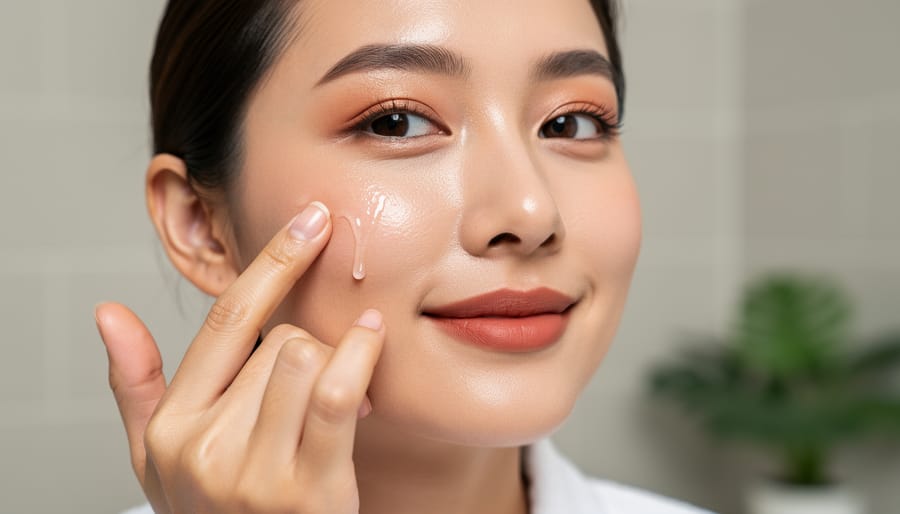
True personalization in cosmetics means formulas that adapt to individual skin chemistry, not just packaging with your name on it. When private label manufacturers work directly with brands to develop products, they can create multiple formula variations targeting specific concerns, like a foundation line with 50+ shades that account for undertone variations, or serums formulated for different skin sensitivities within the same product family.
This customization happens at the development stage. A manufacturer might create base formulas that brands can modify with specific active ingredients, texture preferences, or performance characteristics their customers request. The result? A skincare line where the moisturizer for combination skin genuinely differs in formulation from the one for sensitive skin, rather than both being the same product in different jars.
The private label model makes this economically viable. Instead of one-size-fits-all products designed for mass appeal, brands can offer targeted solutions because they’re not investing in their own manufacturing infrastructure. You’ll see this in indie beauty brands that launch with multiple product variations addressing nuanced concerns, something only possible when partnering with experienced contract manufacturers who can handle complex, customized production runs while maintaining quality across every variant.
What This Means for Your Beauty Routine
Understanding this shift helps you make smarter, more informed choices next time you’re browsing beauty aisles or scrolling online. The private label revolution isn’t just industry news; it’s reshaping what you can access, what you’ll pay, and how well those products actually perform.
Start by looking beyond the brand name on the packaging. Many products you already love likely come from the same manufacturing facilities, regardless of whether they carry a prestige label or an indie brand’s name. That boutique lipstick and a department store favorite might share the same formulation expertise and quality standards because they’re manufactured by the same contract partner. This means you can often find professional-grade formulations at multiple price points.
When evaluating brands, dig into their transparency about manufacturing partnerships. Quality brands using reputable manufacturers aren’t shy about their sourcing. Look for clues on websites and social media about where products are developed and made. Companies partnering with established manufacturers typically highlight certifications, safety testing, and formulation expertise.
Key indicators that signal quality private label products include:
- Clear ingredient lists with recognizable, safe components
- Mention of GMP (Good Manufacturing Practices) certification or FDA-registered facilities
- Detailed information about testing, allergen screening, and safety protocols
- Transparency about where and how products are manufactured
- Responsive customer service that can answer questions about formulation and sourcing
- Consistent product performance and packaging quality across batches
The biggest advantage for your routine? Product diversity explodes when smaller brands can access world-class manufacturing without building their own facilities. You get access to niche formulations, clean ingredient options, and specialized products that might never exist in a traditional model where only massive brands could afford development costs.
Affordability shifts too. Without the marketing budgets and retail markups of legacy brands, private label products often deliver comparable quality at lower prices. You’re paying for formulation and manufacturing excellence rather than advertising campaigns and glossy magazine spreads. That difference shows up in your wallet while the product in your hand maintains professional standards.
This democratization means professional-grade cosmetics aren’t locked behind prestige pricing anymore. Small brands working with experienced manufacturers can deliver the same rigorous testing, quality ingredients, and performance you’d expect from luxury lines, making effective beauty solutions accessible regardless of budget.
Expert Perspective: Inside the Manufacturing Process
Behind every lipstick and serum sits a complex partnership between brands and manufacturers like Radical Cosmetics, where rigorous development meets regulatory compliance. The process starts months before a product reaches shelves, beginning with formulation chemistry that balances performance, stability, and safety. Contract manufacturers test ingredients for compatibility, conduct stability trials across temperature extremes, and verify that formulations meet standards set by firms responsible for safety under cosmetics law.
Quality control happens at multiple checkpoints. Raw materials undergo testing before entering production. During manufacturing, samples from each batch are analyzed for consistency, microbial contamination, and pH balance. Full-service facilities maintain clean rooms for products requiring sterile environments and conduct challenge testing to ensure preservatives work effectively throughout a product’s shelf life.
This infrastructure lets manufacturers safely incorporate trending ingredients customers want, from those found in our CBD in skincare exploration to targeted actives in a pore care guide. When you read a mascara review praising performance, a private label manufacturer likely engineered that formula through dozens of prototype iterations.
The system works because established manufacturers invest in equipment, expertise, and compliance frameworks that most individual brands couldn’t afford independently. They absorb regulatory complexity so brands can focus on marketing and customer relationships, while consumers benefit from professionally manufactured products at accessible prices.
The private label revolution isn’t just reshaping the beauty industry, it’s fundamentally changing who gets to participate in it. What companies like Radical Cosmetics have built over the past two decades proves that quality cosmetics don’t require massive corporate budgets or celebrity endorsements. This shift hands power back to smaller brands with innovative ideas and to you as a consumer who deserves transparency about what you’re actually buying.
When you understand that your favorite indie eyeshadow and a luxury department store brand might come from the same skilled manufacturer, you start making smarter choices. The brand name matters less than the manufacturing partnership behind it. Looking at who makes a product, their track record, and their quality standards tells you more than any marketing campaign ever could.
This democratization means better products at fairer prices, more sustainable packaging reaching store shelves, and formulations tailored to what real people actually need. The $65 billion market growing toward $90 billion by 2033 represents millions of women gaining access to professional-grade cosmetics that were once gatekept by traditional beauty conglomerates.
Next time you shop for makeup or skincare, dig a little deeper. Ask which manufacturer produced it. Research their standards and sustainability practices. The brands willing to share that information are usually the ones worth your money. The private label revolution only empowers you if you use the transparency it offers.