
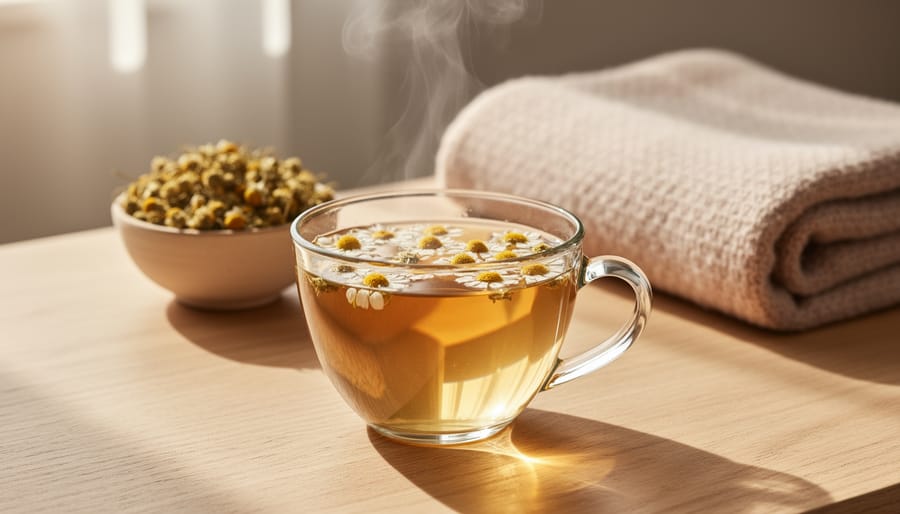
Steep chamomile or passionflower tea for 5-7 minutes and drink it 30 minutes before stressful situations to activate calming neurotransmitters in your brain. The compounds in these herbs bind to the same receptors as anti-anxiety medications, but without the side effects or dependency risks.
Practice box breathing for two minutes whenever tension builds: inhale for four counts, hold for four, exhale for four, hold for four, and repeat. This simple technique immediately shifts your nervous system from fight-or-flight mode to rest-and-digest, lowering cortisol levels within minutes.
Apply magnesium oil directly to your skin before bed or add 200-400mg of magnesium glycinate to your daily supplement routine. Since up to 75% of adults are magnesium deficient, and this mineral regulates over 300 biochemical reactions including stress response, supplementation often produces noticeable relief within one to two weeks.
Incorporate adaptogenic herbs like ashwagandha, rhodiola, or holy basil into your morning routine through tinctures, capsules, or powders added to smoothies. These plants literally help your body adapt to stress by regulating cortisol production and supporting adrenal function, with clinical studies showing significant anxiety reduction after 6-8 weeks of consistent use.
The truth is, chronic stress doesn’t just feel overwhelming—it actively damages your health, accelerating aging, disrupting hormones, and weakening immunity. But pharmaceutical interventions aren’t your only option. Nature provides powerful, scientifically-validated alternatives that work with your body’s innate healing capacity rather than against it. Understanding which natural stress relievers match your specific needs and how to use them effectively transforms these simple remedies into genuine lifestyle medicine.
Why Natural Stress Relief Matters More Than Ever
If you’ve noticed your stress levels climbing lately, you’re far from alone. Recent studies show that women report higher stress levels than men, with unique pressures ranging from workplace demands and caregiving responsibilities to navigating life transitions and maintaining hormonal balance. The modern world seems designed to keep us perpetually overwhelmed, and the toll on our bodies and minds can feel relentless.
While conventional stress medications have their place, they’re not always the answer many of us are seeking. Anti-anxiety medications and antidepressants can come with unwanted side effects like weight gain, drowsiness, digestive issues, and dependency concerns. More importantly, they often mask symptoms rather than addressing the root causes of stress. For women who want to feel genuinely empowered in managing their well-being, this band-aid approach can feel frustrating and incomplete.
Here’s the encouraging news: a growing body of research is validating what traditional healing practices have known for centuries. Natural stress relievers, from adaptogenic herbs to mindfulness practices, offer genuine benefits backed by science. These alternatives work with your body’s natural systems, supporting your stress response rather than suppressing it. They tend to have fewer side effects and can actually strengthen your resilience over time.
The shift toward natural solutions isn’t about rejecting modern medicine entirely. It’s about making informed choices that align with your values and your body’s needs. When you understand how natural stress relievers work and which ones might benefit you most, you’re no longer passively accepting stress as an inevitable part of life. You’re actively participating in your wellness journey, equipped with knowledge and options that truly serve you. That kind of empowerment matters now more than ever.
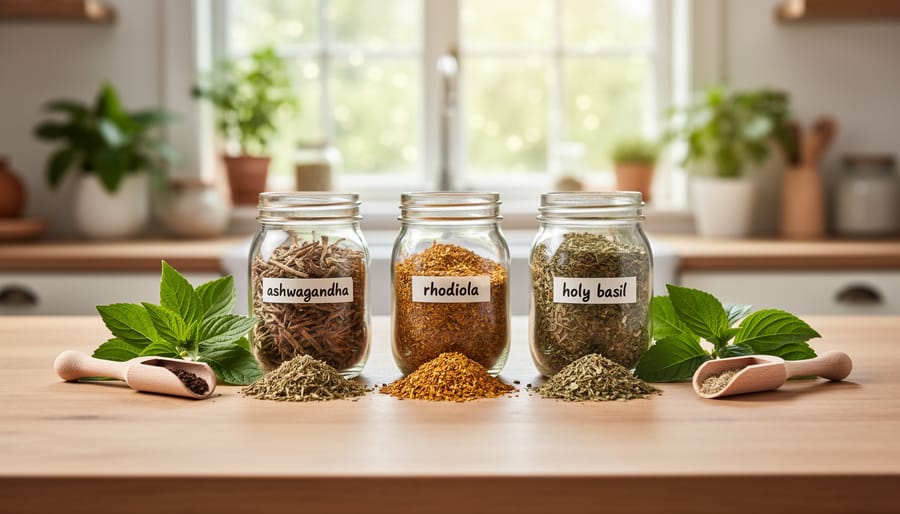
Adaptogenic Herbs That Calm Your Nervous System
Ashwagandha: The Anxiety Tamer
If you’re looking for an herb with serious stress-fighting credentials, ashwagandha deserves your attention. This ancient Ayurvedic adaptogen has been helping people manage stress for thousands of years, and modern science is finally catching up with what traditional healers have long known.
The magic lies in ashwagandha’s ability to regulate cortisol, your body’s primary stress hormone. When you’re chronically stressed, cortisol levels stay elevated, contributing to anxiety, weight gain, and poor sleep. Research shows that supplementing with ashwagandha significantly reduces cortisol and anxiety levels, often within just a few weeks. Many women report feeling calmer, more focused, and better able to handle daily challenges.
Dr. Sarah Mitchell, a naturopathic physician we spoke with, recommends starting with 300-500mg of a standardized extract (look for KSM-66 or Sensoril on labels) taken once or twice daily. The benefits build gradually, so consistency matters more than timing, though taking it in the evening may help improve sleep quality.
Before adding ashwagandha to your routine, check with your healthcare provider, especially if you’re pregnant, nursing, or taking thyroid medications. While generally safe, it’s not suitable for everyone. Give it at least four to six weeks to assess whether it’s your new stress-relief ally.
Rhodiola: Energy Without the Jitters
If you’ve ever felt too wired to focus yet too exhausted to function, rhodiola rosea might be your new best friend. This adaptogenic herb has a special talent: it treats stress-related fatigue while keeping your mind clear and alert. Unlike caffeine that can leave you anxious and shaky, rhodiola works with your body’s natural energy systems to lift the fog of chronic stress without overstimulating your nervous system.
Think of it as a gentle reset button for your adrenal glands. When stress has been draining your tank, rhodiola helps restore your reserves while simultaneously calming the mental chatter that often accompanies exhaustion. Many women notice improved concentration and mental stamina within the first week of use.
The typical dose ranges from 200-400 mg daily, taken in the morning or early afternoon. Look for supplements standardized to contain 3% rosavins and 1% salidroside, the active compounds responsible for its energizing effects. Start with a lower dose to see how your body responds, and remember that consistent use over several weeks delivers the best results for sustainable energy and stress resilience.
Holy Basil: Traditional Wisdom Meets Modern Science
For over 5,000 years, holy basil (also called tulsi) has been treasured in Ayurvedic medicine as a powerful adaptogen—a natural substance that helps your body adapt to stress. Ancient practitioners called it “The Incomparable One,” recognizing its unique ability to restore balance during challenging times.
Modern research is now validating this traditional wisdom. Recent studies show that holy basil can lower cortisol levels, your body’s primary stress hormone, while supporting cognitive function and emotional well-being. A 2017 study found that participants taking holy basil extract experienced significant reductions in stress symptoms, including sleep problems and exhaustion, after just six weeks.
What makes holy basil particularly appealing is its gentle yet effective approach. Unlike harsh stimulants, it works by supporting your body’s natural stress response rather than suppressing symptoms. You can enjoy it as a soothing tea, take it in capsule form, or add fresh leaves to your meals. Many women find that incorporating holy basil into their evening routine promotes better sleep and morning clarity—a small ritual with meaningful impact on daily stress management.
Calming Teas and Botanicals for Daily Stress Relief
There’s something wonderfully grounding about wrapping your hands around a warm cup of tea when stress threatens to overwhelm you. Beyond the ritual itself, certain botanicals have been cherished for centuries for their genuine calming properties, offering us a gentle, accessible way to support our nervous systems throughout the day.
Chamomile stands as perhaps the most beloved stress-relieving botanical, and for good reason. This delicate flower contains apigenin, a compound that binds to receptors in your brain similarly to anti-anxiety medications, but without the harsh side effects. The flavor is mild, slightly sweet, and apple-like, making it perfect for evening wind-down routines. Herbalist Maria Chen, who I spoke with for this article, recommends steeping chamomile for a full five minutes to extract its full therapeutic potential. “Most people don’t steep it long enough,” she explains. “Give those flowers time to release their medicine.”
Lavender tea offers more than just a heavenly aroma. When consumed as a tea, it can help reduce cortisol levels and promote restful sleep. The taste is floral and slightly sweet, though some find it perfume-like initially. Start with a blend that combines lavender with mint or lemon balm if the flavor feels too intense. This botanical shines brightest when consumed about an hour before bedtime.
Passionflower brings a surprisingly mild, grassy flavor while packing serious stress-fighting benefits. Studies suggest it increases gamma-aminobutyric acid in the brain, which lowers brain activity and helps you relax. It’s particularly effective for stress that manifests as racing thoughts or difficulty sleeping. Try it during your afternoon slump instead of reaching for another coffee.
Lemon balm, a member of the mint family, delivers a bright, citrusy taste that feels refreshing any time of day. Research indicates it can reduce anxiety symptoms while improving mood and cognitive performance. This makes it ideal for morning or midday consumption when you need calm focus rather than sedation.
For maximum benefit, choose organic, loose-leaf varieties when possible, and remember that consistency matters more than perfection. Starting your day with lemon balm and ending with chamomile creates bookends of calm that can genuinely transform how your body handles daily stress.
Essential Nutrients That Support Your Stress Response
Magnesium: The Relaxation Mineral
Think of magnesium as your body’s natural chill pill. This essential mineral plays a starring role in helping your muscles relax and your nervous system find its calm. When you’re stressed, your body actually depletes its magnesium stores, creating a cycle that can leave you feeling even more tense and anxious.
Here’s why magnesium matters: it regulates neurotransmitters that send calming messages throughout your brain and body, while also controlling your stress-response system. When levels are optimal, you’ll likely notice better sleep, fewer muscle cramps, and a greater sense of overall calm.
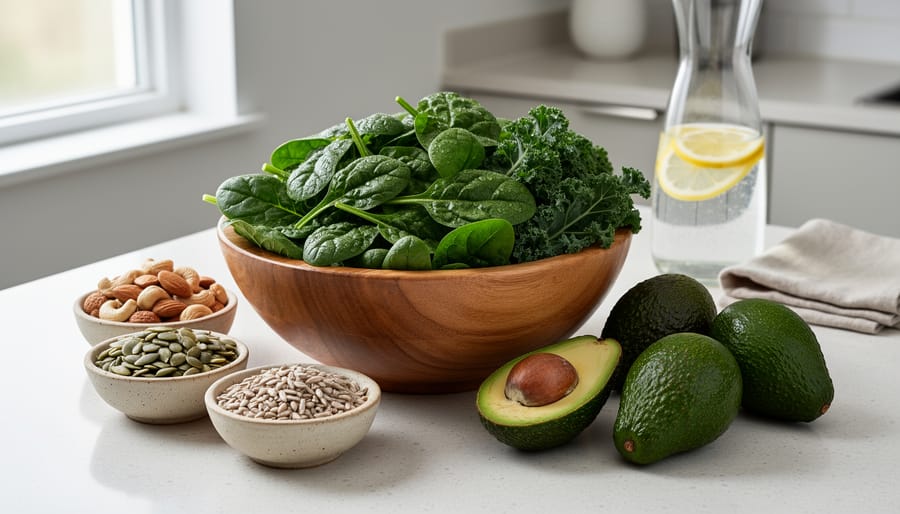
The good news? Boosting your magnesium is delicious and straightforward. Load up on dark leafy greens like spinach and Swiss chard, snack on almonds and pumpkin seeds, enjoy dark chocolate (yes, really!), and add black beans or avocado to your meals. Whole grains and fatty fish like salmon are excellent sources too.
If you’re considering supplements, magnesium glycinate is often recommended for stress relief because it’s gentle on digestion and particularly effective for relaxation. Start with 200-400mg daily, but chat with your healthcare provider first, especially if you’re taking medications. Your body will thank you for this simple, powerful addition to your wellness routine.
B Vitamins: Your Mood’s Best Friends
Think of B vitamins as your brain’s personal support team, working behind the scenes to keep your mood stable and energy flowing, especially when stress hits hard. These essential nutrients play a starring role in producing neurotransmitters like serotonin, dopamine, and GABA—the chemical messengers that regulate how you feel and respond to pressure.
When you’re stressed, your body burns through B vitamins faster than usual, which is why many women notice brain fog, irritability, and fatigue during challenging times. B6, B12, and folate are particularly crucial for mental wellness, supporting the gut-brain connection and helping convert amino acids into mood-balancing neurotransmitters.
Dr. Sarah Mitchell, a functional medicine practitioner, explains: “I often see women whose stress symptoms improve dramatically once we address B vitamin deficiencies. These nutrients are cofactors in over 100 enzymatic reactions related to stress response.”
You’ll find B vitamins in whole grains, leafy greens, eggs, legumes, and nutritional yeast. If you’re considering supplementation, look for a B-complex formula rather than isolated vitamins, as they work synergistically. Many women in our community report feeling more resilient and energized within two to three weeks of ensuring adequate B vitamin intake.
Omega-3s: Brain-Calming Fatty Acids
These brain-boosting fats deserve a spot in your stress-relief toolkit. Omega-3 fatty acids, particularly EPA and DHA found in fatty fish, walnuts, and flaxseeds, offer powerful anti-inflammatory benefits that directly support your nervous system. Research shows that omega-3s help regulate cortisol and adrenaline, keeping your stress response in check.
Dr. Sarah Chen, a nutritional psychiatrist we spoke with, explains: “Omega-3s build healthier brain cell membranes, improving communication between neurons. This means better mood stability and resilience during challenging times.”
Aim for two servings of fatty fish weekly, or consider a quality supplement if you’re plant-based. Many women in our community report feeling noticeably calmer and more emotionally balanced within four to six weeks of consistent omega-3 intake. The beauty? You’re nourishing your brain while supporting heart health and radiant skin simultaneously.
Aromatherapy and Essential Oils for Instant Calm
There’s something deeply soothing about breathing in a calming scent when stress feels overwhelming. Aromatherapy harnesses the power of essential oils to naturally quiet your nervous system, and the best part? You can create your own mini-spa experience right at home.
Essential oils work by stimulating the olfactory system, which directly communicates with the brain’s emotional center. This connection explains why certain scents can instantly shift your mood from frazzled to peaceful. According to aromatherapist Jennifer Martinez, who has worked with stress management clients for over a decade, “Lavender, bergamot, and frankincense are my go-to recommendations because they have the most robust research supporting their calming effects.”
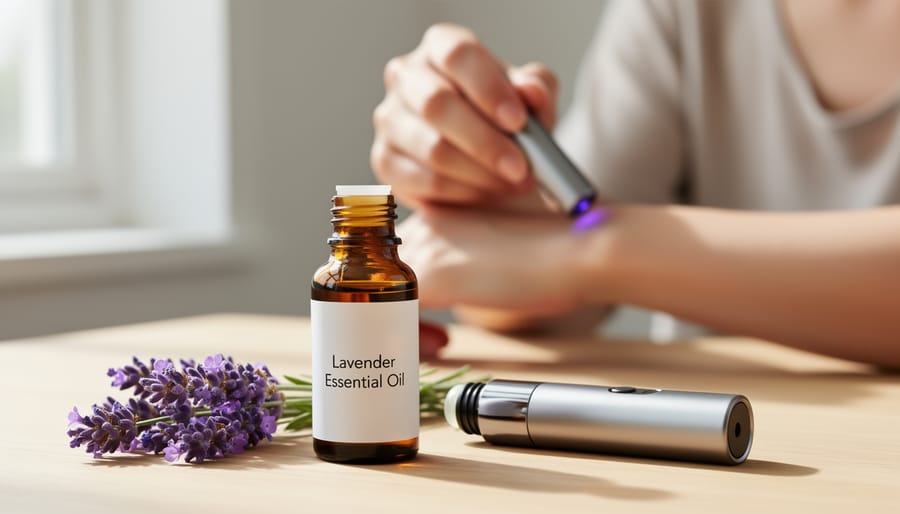
Lavender is the superstar of stress relief. Studies show it can lower cortisol levels and improve sleep quality. For immediate calm, add 2-3 drops to a diffuser in your bedroom or workspace. If you’re experiencing acute anxiety, place one drop on your wrists and breathe deeply for several minutes.
Bergamot offers a citrusy, uplifting quality that reduces tension while boosting mood. Unlike some citrus oils that energize, bergamot actually promotes relaxation. Try blending it with lavender in equal parts for a balanced, feel-good aroma.
Frankincense brings grounding, meditative qualities perfect for when your mind won’t stop racing. Its earthy, slightly sweet scent encourages slower, deeper breathing.
For topical application, always dilute essential oils in a carrier oil like jojoba or sweet almond. A safe ratio is 3-5 drops of essential oil per tablespoon of carrier oil. Massage this blend onto your temples, neck, or the soles of your feet before bed.
Transform your bath into a stress-melting ritual by adding 5-7 drops of your chosen oil mixed with a tablespoon of carrier oil or Epsom salts. The warm water enhances absorption while the steam amplifies the aromatic benefits.
Remember to purchase high-quality, pure essential oils from reputable sources, and always perform a patch test before widespread use.
Creating Your Personal Natural Stress Relief Routine
Building your own natural stress relief routine doesn’t have to feel overwhelming. Think of it as creating a personalized wellness toolkit that fits seamlessly into your daily life. The key is starting small, paying attention to how your body responds, and adjusting as you go.
Here’s how to design a routine that actually works for you:
- Start with just one natural remedy that appeals to you most, whether that’s chamomile tea, lavender aromatherapy, or ashwagandha supplements. This prevents overwhelm and helps you identify what’s truly making a difference.
- Create a stress journal to track your experiences. Note the time of day you use each remedy, the dosage or method, and how you feel within 30 minutes, one hour, and the next morning. Include details about your stress levels, sleep quality, and overall mood.
- Give each new remedy at least two weeks before deciding if it’s right for you. Natural substances work more subtly than medications and need time to build up in your system.
- Layer in complementary practices gradually. Once you’ve found one remedy that helps, consider adding mindfulness practices or another natural stress reliever to enhance the benefits.
- Pay attention to timing. Some remedies like magnesium work best before bed, while adaptogenic herbs might be more effective in the morning. Experiment to find your optimal schedule.
As you build your routine, remember that consistency matters more than perfection. Life gets busy, and some days you’ll skip steps. That’s completely normal. What works beautifully in summer might need tweaking come winter, and your needs during particularly stressful periods may differ from calmer times.
Consider connecting with others on this journey too. Share your experiences with friends or join online wellness communities where women exchange tips and support each other. Sometimes the best insights come from real people navigating similar challenges, and you might discover combinations you hadn’t considered before.
What to Know Before You Start
Before diving into natural stress relievers, it’s important to approach them with the same thoughtfulness you’d bring to any wellness decision. While these remedies come from nature, they’re not automatically safe for everyone or every situation.
First, let’s talk about medication interactions. Many herbs and supplements can interact with prescription medications, sometimes in significant ways. For example, St. John’s Wort can interfere with birth control pills, antidepressants, and blood thinners. If you’re currently taking any medications, chatting with your healthcare provider before adding natural remedies to your routine is essential. Dr. Sarah Mitchell, a naturopathic physician we spoke with, emphasizes that “natural doesn’t mean harmless—it means we need to be educated consumers.”
Quality matters tremendously when sourcing natural products. Not all supplements are created equal, and the industry isn’t as tightly regulated as pharmaceuticals. Look for products with third-party testing certifications like USP, NSF, or ConsumerLab. These seals indicate the product contains what it claims without harmful contaminants. Purchase from reputable retailers and manufacturers who are transparent about their sourcing and testing practices.
You should definitely consult a healthcare professional if you’re pregnant, nursing, have chronic health conditions, or experience severe anxiety or depression. Natural stress relievers can be wonderful complementary tools, but they’re not substitutes for professional mental health care when you need it.
Remember, what works beautifully for your best friend might not be your perfect match. Starting with one remedy at a time helps you understand how your body responds. Keep a simple journal noting what you try, the dosage, and how you feel. This empowers you to make informed choices about your stress management journey.
You’ve just discovered a powerful truth: managing stress naturally isn’t just possible, it’s entirely within your reach. Whether it’s sipping chamomile tea before bed, taking a mindful walk through your neighborhood, or experimenting with adaptogenic herbs, these natural stress relievers offer real, science-backed benefits without the side effects of pharmaceutical options.
The beauty of this journey is that you get to be the expert on your own body. Start small—perhaps choose just one or two approaches that resonate with you and observe how you feel. There’s no pressure to transform your entire routine overnight. Remember, even small shifts can create meaningful change in how you experience and manage daily stress.
What matters most is that you’re taking an active role in your wellness. You have the agency to make choices that support your mental and physical health, and that’s incredibly empowering.
We’d love to hear from you. Which natural stress relievers have you tried? What’s worked for you, and what hasn’t? Share your experiences in the comments below—your insights might be exactly what another woman needs to hear on her own wellness journey.